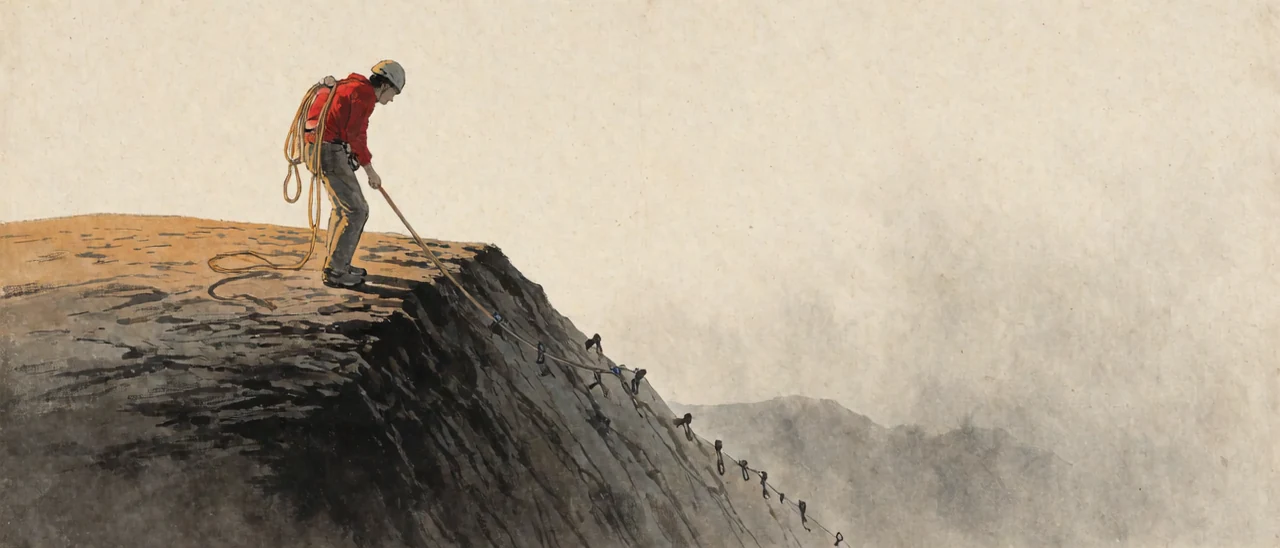
1. This is a procedure, not a metaphor
The passage above was written in 2009, and though it reads as a piece about climbing, what it actually treats is the question of what unit of work counts as done.
A piton is a fixed point driven in while the climber ascends, so a fall stops at the last piton and the climb resumes from there. Without pitons, one fall erases everything back to the ground.
Work needs the same thing. If you never mark how far you have settled, a wrong turn leaves you no place to return to and you start over, which is why the same ground gets covered again and again. This comes not from a shortage of ability but from the absence of a driven piton.
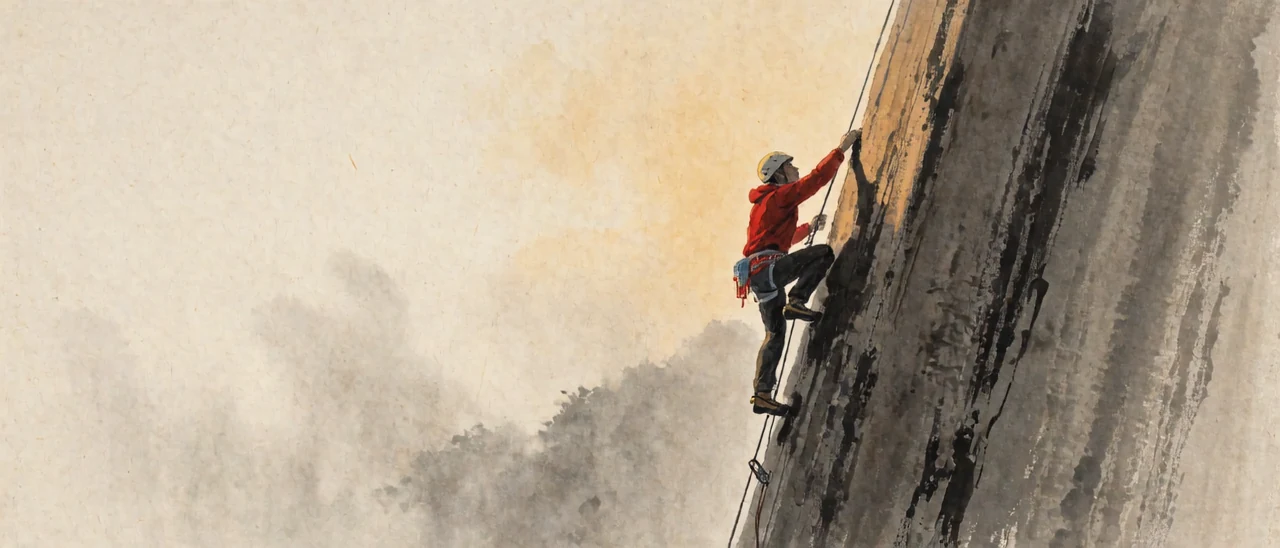
2. BS and FoB are not the same
The name Bs2FoB carries two terms. BS is base and
basic, a tabula rasa emptied of assumptions, a place where nothing is taken as
already known and every examination begins. FoB is forward
operating base, the platform for the next advance and equally the line you
fall back to, marking not that the work is over but that everything up to here
is settled.
What separates them is whether anything has been settled. BS
holds nothing while FoB holds results that survived examination,
so work is the passage from BS to a standing FoB.
3. An FoB becomes the next BS
Here the structure turns. A stabilized FoB becomes the
BS of the next cycle, so a foothold once established is not a
conclusion but a place to empty your assumptions again and start from. What
you settled this round is not a premise the next round inherits but the floor
the next round stands on, and results pass forward as material for the next
round of trial and error, recycled and raised without limit.
This is what the 2 does. Bs2FoB names not two
points but the movement from one into the other.
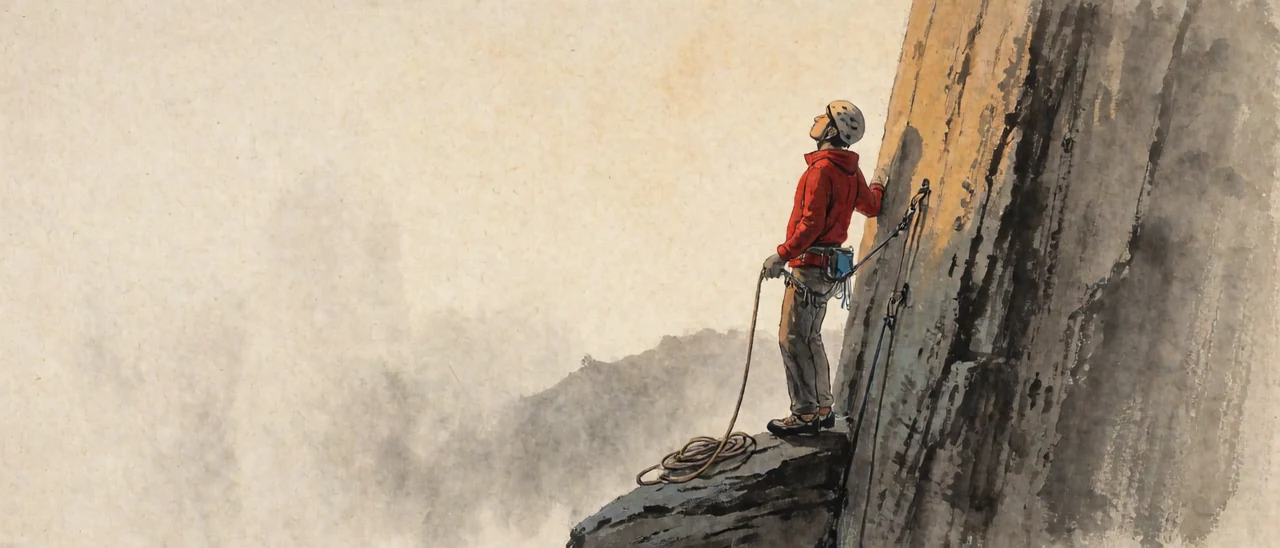
4. Finishing is not perfecting
Finishing and perfecting run in opposite directions, and the work breaks most often where the two are laid on top of each other. Perfection names a state with nothing left to fix, while finishing is a verdict that secures the best available at this point and takes your hands off, so as long as you aim at perfection the work never ends and no foothold is established.
Finishing therefore begins by cutting off the compulsion toward perfection. The cut comes first and the securing second, and reversing the order defers the cut forever. You settle what can be settled, then state what you secured and what remains before moving on, and writing down what is left belongs to the securing.
5. Signs that no foothold is being established
If you are stuck on one problem, attempting the same spot over and over, you are not establishing footholds. The attempts failing is not the cause; having built no point to return to is, and so every failure makes you climb the same distance again.
Listing the obvious next step as an open question and waiting for approval stands in the same place. If the judgment does not actually fork there is nothing to ask, and nothing is established while you wait.
6. What remains
You top out, pull the rope free, and the pitons are there along the way you climbed, that arrangement being the record itself. Where you passed on the way here remains in it.
This series is written the same way. Each piece is one foothold and the next piece starts from on top of it.